Flip Once, Stream Forever: How Young Bottle Flippers Are Turning Trick Shots Into Full-Time Careers
Not long ago, bottle flipping was the kind of thing you did to kill time in a school cafeteria. You'd nail a clean land, your friends would lose their minds, and maybe — maybe — you'd post it somewhere online. That was the ceiling. Or so everyone thought.
Fast forward to now, and a growing crew of young creators are treating bottle flipping less like a party trick and more like a legitimate content business. They're going live on Twitch for hours at a stretch, uploading polished challenge videos to YouTube, and pulling in sponsorship deals that would make a lot of traditional gamers jealous. The question worth asking: how exactly does someone go from flipping bottles in their bedroom to running a streaming operation that actually sustains itself?
We dug into the scene to find out.
The TikTok Launchpad — And Its Limits
For most flippers who've built any kind of following, TikTok was the starting point. The short-form format is basically tailor-made for trick shot content — quick setup, satisfying payoff, easy to scroll past or share. A single clean flip on a tricky surface, posted at the right time with the right audio, can rack up millions of views overnight.
But here's the thing about TikTok fame: it's volatile. The algorithm can make you and unmake you in the same week. Creators who've ridden viral waves describe the experience as exhilarating and terrifying in equal measure.
"I had a video hit like four million views in two days," says Marcus T., a 19-year-old flipper from Columbus, Ohio who goes by the handle FlipMarcus online. "And then the next five videos got like three hundred each. You can't build anything stable on that alone."
That instability is exactly what pushed Marcus — and a lot of creators like him — toward longer-form platforms. YouTube and Twitch offer something TikTok fundamentally can't: time. Time to build a relationship with an audience, time to develop a personality beyond a three-second trick shot, and time to actually monetize in ways that compound.
Why Streaming Works for Flipping Content
On the surface, bottle flipping seems like a weird fit for live streaming. It's not a video game. There's no narrative arc, no character progression, no raid boss. So why does it work?
Turns out, the live element adds something that pre-edited clips can't replicate: genuine stakes. When a streamer is attempting a ridiculous multi-surface flip live, with no edits and no safety net, the audience is watching real-time tension unfold. The misses matter just as much as the lands.
"People go crazy in the chat when I fail," laughs Deja R., an 18-year-old from Atlanta who streams under the name LandQueenDeja. "It's almost better than landing it sometimes, because then everyone's hyped to see me try again. It keeps people locked in."
Deja started posting clips in 2022 and transitioned to regular Twitch streams about a year later. She's built a subscriber base she describes as "small but ride-or-die," and she's recently started pulling in brand partnerships — mostly from hydration and drinkware companies that see obvious synergy with her content.
That audience loyalty is a key differentiator from the passive viewership that viral TikTok clips generate. Streamers in this space consistently report that their live audiences convert to merch buyers, Patreon supporters, and repeat viewers at rates that dwarf what they see from short-form platforms.
Lowering the Barrier: The Accessibility Advantage
One of the most interesting dynamics in bottle flipping content is how different the barrier to entry is compared to traditional gaming streams. Setting up a competitive gaming stream usually involves a decent PC, capture hardware, game licenses, and hours of learning the technical side of broadcasting software. It's not impossible, but it's a real upfront investment.
Bottle flipping? You need a bottle, a phone, and somewhere to stand.
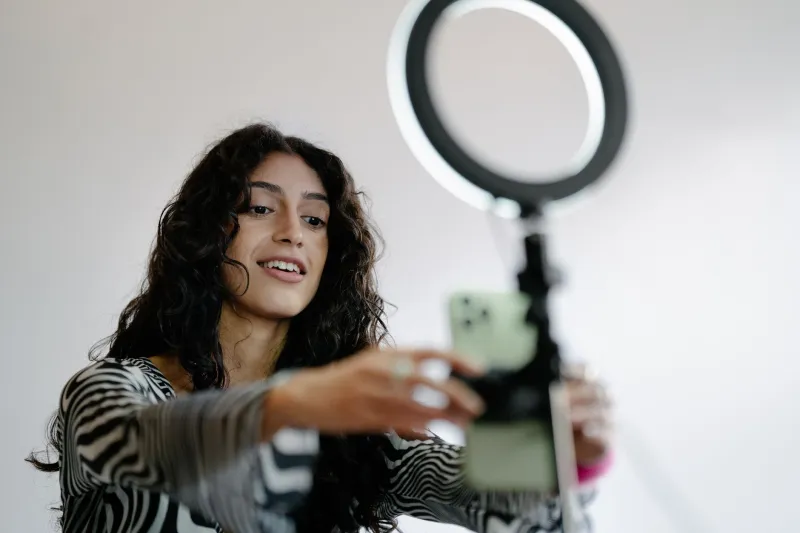
That simplicity is a massive democratizing force. Creators from lower-income backgrounds who couldn't afford gaming setups have found a genuine path into content creation through flipping. And audiences respond to that rawness — some of the most-watched streams in the community are shot in kitchens and garages with nothing more than a Ring light and a decent phone mount.
"I literally started on a webcam propped up against my textbooks," Marcus says. "People loved it because it felt real. Like, this is just some dude in his room trying insane stuff."
Over time, successful creators do tend to invest in better equipment — proper cameras, sound treatment, maybe a second angle for catching those clean slow-motion lands. But the community's origins in lo-fi setups have created a culture that actually values authenticity over production polish, at least to a point.
The Sponsorship Pipeline: Who's Paying Attention
Monetization in the bottle flipping streaming world is still maturing, but it's moving faster than most outsiders would expect. The obvious partners are drinkware brands — companies selling water bottles, tumblers, and reusable containers have been among the first to recognize the marketing potential of creators who literally spend all day playing with their products.
But the sponsorship landscape is widening. Energy drink companies, apparel brands, and even a few tech accessories companies have started approaching flipping streamers with deals. The pitch from brands is usually straightforward: the audience skews young, engagement rates are high, and the content is inherently product-adjacent in a way that feels organic rather than forced.
Deja recently wrapped up her first paid partnership, a multi-video deal with a water bottle brand that let her keep full creative control. "They just wanted me to use the bottle naturally, which is literally what I do anyway," she says. "It wasn't weird or salesy. I think that's why my audience didn't push back on it."
For streamers looking to attract sponsors, the advice from those already in the game is consistent: build the community first, pitch second. Brands want to see real engagement — comments, shares, return viewers — not just raw follower counts.
Building Something That Lasts
The flippers who seem to be building the most durable careers aren't just posting trick shots. They're creating characters, developing running gags, hosting community challenges, and generally giving audiences a reason to come back that goes beyond any individual flip.
Community events have become a particularly powerful tool. Streamers will host live tournaments where viewers submit their own clips for judging, or they'll set up bracket-style challenges that unfold over multiple streams. That kind of participatory content turns passive viewers into invested community members — and invested community members stick around.
"The flip is almost like the entry point," Marcus explains. "People come for the trick shots, but they stay because they feel like part of something. We've got inside jokes, we've got running bits, we've got people who've been in the chat since day one."
That sense of belonging is exactly what FlipBottle has always been about — the idea that this isn't just a gimmick, it's a culture. And watching a new generation of creators build real careers out of that culture? Honestly, it's one of the most exciting things happening in the space right now.
The bedroom days aren't over. They're just the origin story.