Likes, Lands, and Lucrative Deals: How Bottle Flippers Are Cashing In on Their Clout
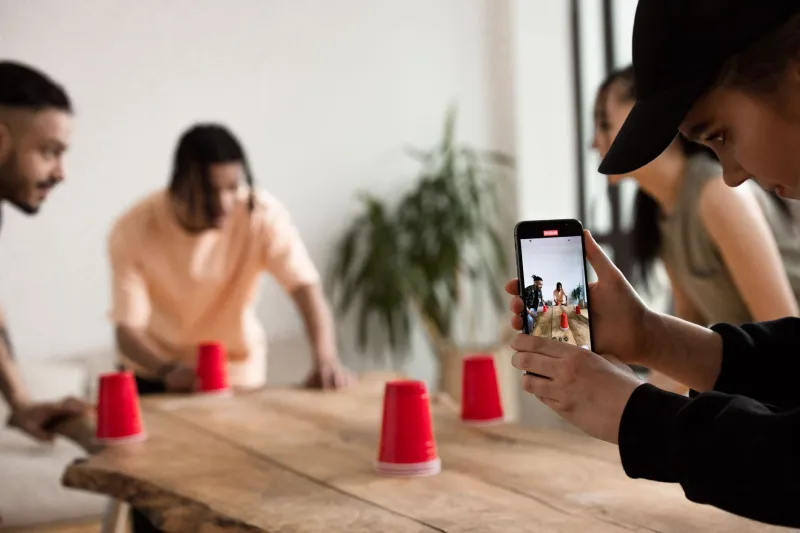
Not too long ago, landing a perfect bottle flip meant a round of applause in a school cafeteria. Maybe a shaky video that got forwarded around the group chat. Today, that same flip — if it's clean enough, creative enough, and posted to the right platform at the right moment — can be the first domino in a chain that ends with a brand partnership, a streaming deal, or a spot at a competition with real prize money on the line.
The economics of bottle flipping have changed fast. And the people paying the closest attention are the ones already making money from it.
The Scroll-to-Stadium Pipeline
Here's the basic playbook: you post a wild flip on TikTok or Instagram Reels, it catches fire, your follower count jumps, and suddenly you're not just a kid with a water bottle — you're an audience. Brands notice audiences. Organizers notice audiences. And before long, you're getting DMs that don't start with "bro, that was insane" but instead with "we'd love to discuss a partnership."
This isn't unique to bottle flipping, obviously. It's the same pipeline that turned bedroom gamers into Twitch millionaires and skateboard kids into Nike ambassadors. But what makes the bottle-flipping scene interesting right now is how early it still is. The infrastructure — the tournaments, the sponsors, the streaming ecosystems — is still being built in real time. That means the creators who are grinding today are essentially laying the foundation for what this whole thing becomes.
Rising creator Marcus T., 19, from Columbus, Ohio, put it bluntly in a recent community Discord chat: "I started posting flips because it was fun. Then one video hit 2 million views and my inbox looked completely different the next morning. Hydration brand reached out within 48 hours."
What Sponsors Are Actually Looking For
If you're thinking about chasing brand deals, it helps to understand what companies are actually buying when they sponsor a bottle flipper. Spoiler: it's not just the flip itself.
Sponsors in this space tend to fall into a few buckets:
Hydration and beverage brands are the most obvious fit. Water bottle companies, sports drink labels, and even canned water startups have all shown interest in aligning with creators whose entire identity is built around a water bottle. The visual synergy basically sells itself.
Athletic and lifestyle apparel brands are increasingly interested in action-sports-adjacent content. Bottle flipping sits in a weird, appealing middle ground between sport and street culture, which makes it attractive to brands that want to reach Gen Z without feeling like they're trying too hard.
Gaming and tech peripherals are a newer entrant, especially as bottle flipping starts to overlap with gaming culture through streaming platforms and esports-adjacent events. A creator who flips and streams? That's a double-audience opportunity.
What all these sponsors share is a focus on engagement rate over raw follower count. A creator with 80,000 highly active followers who comment, share, and recreate flips is worth more to most brands than someone with 500,000 passive scrollers. Authenticity moves product. That's just the reality of influencer marketing in 2024.
Tournament Money Is Getting Real
Beyond brand deals, competitive events are slowly but surely putting actual dollars on the table. Organized bottle-flipping tournaments — both in-person and online — have started offering cash prizes, gear packages, and even travel stipends for top finishers.
The prize pools aren't at Call of Duty Championship levels yet, but they're growing. Regional competitions across the US have started drawing dozens of serious competitors, and a handful of national-level events have offered top prizes in the $500 to $2,000 range. That's not retire-on-it money, but it's real validation that the skill has monetary value.
For creators who've already built a following, tournaments serve a dual purpose: they're a revenue opportunity and a content goldmine. Documenting the journey to a competition — the training, the nerves, the results — is exactly the kind of narrative-driven content that performs well across every platform. Win or lose, you've got material.
Streaming: The Long Game
Twitch and YouTube Live might not be the first places you picture bottle flipping, but a small but dedicated group of creators has been testing the waters (pun fully intended). Live streams where creators attempt increasingly difficult flip challenges, respond to viewer suggestions in real time, or go head-to-head against chat-submitted opponents have found surprisingly engaged audiences.
The monetization mechanics here are familiar: subscriptions, donations, ad revenue, and affiliate links. What's less familiar is applying them to a physical skill challenge rather than a video game. But the engagement dynamics are actually pretty similar. Viewers want to watch someone get better at something hard. They want to feel part of the journey. Bottle flipping, with its instant success/failure feedback loop, is weirdly perfect for that format.
Creator and streamer Jaylen R. from Atlanta has been building his audience this way for the better part of a year. "People underestimate how watchable it is live," he said. "When I miss a flip 10 times and then land it on the 11th, chat goes absolutely crazy. That reaction is what keeps people coming back."
The Hustle Behind the Highlight Reel
It's worth being real for a second: the path from viral video to sustainable income isn't automatic, and it isn't easy. Most creators who go viral once don't build lasting careers from it. The ones who do are treating it like a job — posting consistently, studying what performs, engaging with their community, and actively pursuing opportunities rather than waiting for them.
That means learning basic business skills: how to pitch yourself to sponsors, how to negotiate rates, how to read a contract (or find someone who can). It means understanding platform algorithms well enough to give your content a fighting chance. And it means being willing to put in reps that nobody ever sees — the hundreds of failed flips before the one that goes on camera.
The bottle-flipping scene rewards the same qualities that any competitive pursuit does: consistency, creativity, and a willingness to keep going after the bottle hits the floor.
Where This Is All Headed
The honest answer is that nobody knows exactly how big this gets. But the signals are pointing in one direction. Youth engagement with physical skill challenges is up. Brands are increasingly chasing Gen Z eyeballs wherever they go. Esports has already proven that competitive gaming — in its broadest definition — can become a legitimate industry.
Bottle flipping has the ingredients: a low barrier to entry, a high ceiling for mastery, an enthusiastic community, and a visual language that translates perfectly to short-form video. The infrastructure is catching up to the passion.
For anyone out there landing flips in their backyard right now, wondering if there's more to this than just the fun of it — there might be. The leaderboard is still wide open.